When the Flight Ticket Hits Your Inbox

It was 15 March 2026, and I stared at the confirmation email for my first international adventure. The headline read “Your 12‑day trip to Kyoto is confirmed.” The price tag was £1,200 for the round‑trip flight alone, but the real question was: how do I keep the rest of my budget from spiralling while still experiencing the culture?
Set a Hard Cap Before You Book
Start by deciding the maximum amount you’re willing to spend on the entire trip. In my case, I capped the budget at £2,500. That figure includes flights, accommodation, food, transport, sightseeing, and a small emergency fund. Once you have that ceiling, every subsequent decision can be measured against it.
Next, break the total into categories and assign a percentage. A common split is:
- Flights – 30 %
- Accommodation – 25 %
- Food – 15 %
- Transport & tickets – 10 %
- Activities & souvenirs – 10 %
- Contingency – 10 %
Applying these percentages to £2,500 gives you concrete targets: £750 for flights, £625 for lodging, and so on. If a flight drops to £650, you have £100 to reallocate elsewhere.
Use the 30‑Day Rule for Flights and Hotels
Airlines often offer a 30‑day price guarantee. Book a flight within 30 days of departure, and you can cancel and rebook at the lower price if it falls. Hotels usually have a similar policy; if the room rate drops within 30 days, you can rebook without penalty. This gives you a safety net and encourages you to book early without overpaying.
When searching, compare at least three sites and look for hidden fees. Some portals add a service charge that can inflate the final cost by 10‑15 %. Always check the “total cost” before confirming.
Pack Light, Pack Smart
Airlines now impose a €30 fee for each checked bag over 23 kg. To avoid this, pack everything in a carry‑on that fits the 56 cm × 45 cm × 25 cm limit. A versatile jacket, two pairs of shoes, and a reusable water bottle can cut luggage costs by £70‑£100. It also reduces the risk of lost bags, saving you time and money on replacements.
Dining on a Budget Without Sacrificing Taste
Instead of eating at tourist spots, target local markets and street stalls. A bowl of ramen in Kyoto costs around £6, whereas a restaurant meal can reach £25. Allocate £15 per day for food; you’ll have room for a splurge once a week. If you’re staying in a short‑term rental, buy groceries and cook two meals a day. This can trim the food budget by 30 %.
Transport Within the City
Public transport passes are cheaper than individual tickets. A 7‑day Kyoto City Bus & Subway pass costs £18, while buying separate tickets for each ride averages £2.50. Opt for a pass if you plan to travel more than three times a day. For intercity travel, consider the Japan Rail Pass, which can save up to 40 % on long‑haul trains if you’re moving between regions.
Entertainment and Free Attractions
Many temples and shrines offer free entry on certain days. Research these dates in advance. For cultural experiences, look for community events or festivals; they’re often free and provide authentic immersion. If you want a guided tour, book a group tour rather than a private one to cut costs by half.
How to Master Budgeting on Your First Big Trip in 2026
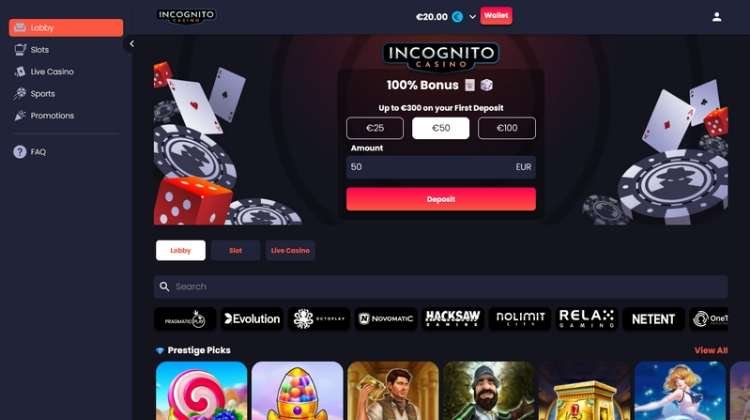
While planning a trip, it’s easy to forget how money can slip away in unexpected ways. A small detour can become a big expense if you’re not prepared. If you’re looking for a way to unwind after a long day of sightseeing, you might consider a bit of online gaming to relax. For a discreet and secure experience, try online casino incognito, where you can enjoy your favourite games without the usual distractions.
Track Your Spending in Real Time
Open a spreadsheet or use a budgeting app like Trail Wallet. Record every purchase, no matter how small. At the end of each day, compare your spend against the daily budget. If you overspend on food, you can compensate by choosing a cheaper activity the next day. Seeing the numbers live keeps you accountable.
Leave a Cushion for the Unexpected
Set aside at least 10 % of the total budget for emergencies—lost passports, medical visits, or a sudden change of plans. In my case, that was £250. If a crisis arises, you won’t need to dip into your planned activities or cut down on meals.
Final Thoughts
Mastering a budget for a big trip isn’t about cutting every pleasure; it’s about making intentional choices that align with your priorities. By setting a clear cap, dividing expenses into categories, and tracking spend daily, you can enjoy Kyoto’s temples, tea ceremonies, and bustling streets without the post‑trip guilt. Remember, the best memories come from experiences, not the size of your wallet.
Frequently Asked Questions
How do I set a hard cap before booking a flight?
Decide the maximum total spend, then subtract the flight price to find the remaining budget for accommodations and activities.
What if the flight price changes after booking?
Lock in the fare with a flexible or non‑refundable ticket, or use price‑watch tools to catch drops.