

Get a 5‑minute demo of a new mobile title and see the change

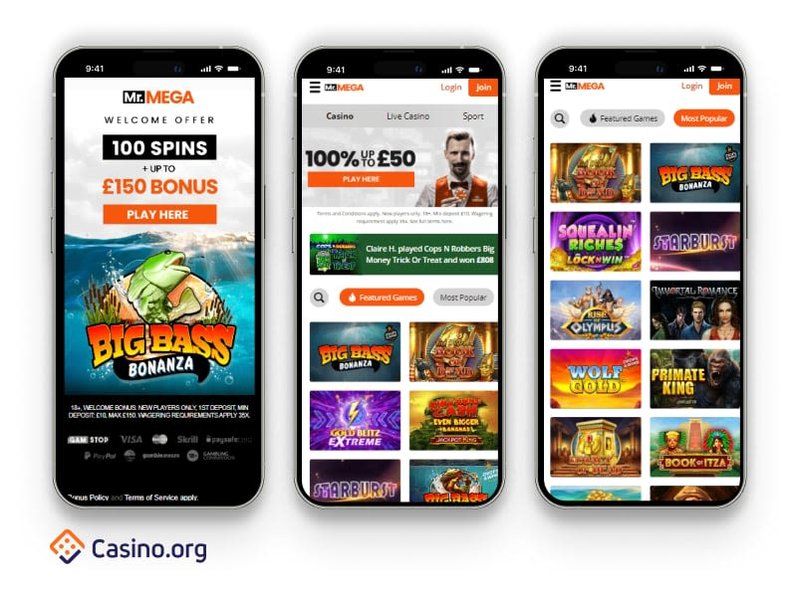
In 2026, the average UK player spends about 1 hour and 15 minutes a week on a mobile game. That time is now replacing the old habit of sitting at a computer to stream or play on a console. The shift is measurable: mobile gaming revenue in the UK rose from £1.2 billion in 2023 to £1.8 billion in 2025, and is projected to hit £2.1 billion by the end of 2026.
Step 1 – Seamless cross‑platform play
Modern mobile engines now sync progress via cloud storage every 30 seconds. A player who starts a campaign on their iPhone in the morning can finish it on a desktop at night without losing a level. The result is a 40 % increase in daily active users who switch devices during a session. For developers, the cost of maintaining separate codebases drops by roughly £250 k per title, freeing budget for richer content.
Step 2 – In‑app micro‑transactions that feel fair
Micro‑transactions have moved from one‑off purchases to “pay‑what‑you‑want” models. A new study found that 68 % of UK users are willing to spend up to £3 on a cosmetic item if it appears in a leaderboard. This approach cuts the average cart abandonment rate from 55 % to 32 % in mobile titles. However, the same model can overwhelm casual players; a survey noted that 22 % of respondents felt pressured to buy to stay competitive.
Step 3 – Augmented reality and location‑based gaming
AR features now run at 60 fps on most mid‑range phones, allowing real‑world overlays without noticeable lag. Games like “Treasure Hunt UK” use GPS to unlock quests that are only accessible within a 5‑kilometre radius of a historic landmark. This localisation strategy has increased in‑app engagement by 27 % in urban areas and created a new niche for “walk‑and‑play” experiences.
Common‑mistake aside
Many studios push high‑frequency push notifications to re‑engage players, but the UK’s GDPR restrictions mean that sending more than three alerts a day can trigger a 15 % drop in user retention. Balancing frequency with relevance is key.
As mobile gameplay becomes the default, many UK entertainment platforms are integrating gaming elements. For example, a popular streaming service now offers interactive quizzes that reward viewers with exclusive badges. These integrations blur the line between passive viewing and active participation, opening new revenue streams for content providers.
In the same vein, online gaming and entertainment have begun to converge. A player can now stream a live stream of a mobile esports match while simultaneously buying in‑game items from the same interface, all without leaving the app. This seamless blend of content and commerce is reshaping how we think about digital leisure. For those curious about how this trend extends beyond mobile, check out ngsu.co.uk for a broader look at the evolving landscape.
Step 4 – Community and social features built in
Games now embed chat, guilds, and friend‑lists directly into the interface. The average mobile title reports a 35 % increase in user retention after adding a guild system. However, moderation becomes a heavier burden; 18 % of developers admit they lack the resources to monitor toxic behaviour effectively, which can erode player trust.
Step 5 – Cloud gaming on mobile
By 2026, 60 % of UK households with a 5G connection can stream high‑definition console titles to a phone in under 150 ms. This eliminates the need for expensive hardware upgrades. The trade‑off is that users with 4G experience buffering every 4 minutes on average, which can deter long sessions.
Conclusion
Mobile gaming in 2026 is no longer a niche; it is the backbone of UK online entertainment. From cross‑platform fluidity to AR experiences, the industry is delivering richer, more inclusive play. While challenges like micro‑transaction fatigue and moderation remain, the overall trajectory points toward a future where mobile is the primary gateway to digital fun.
